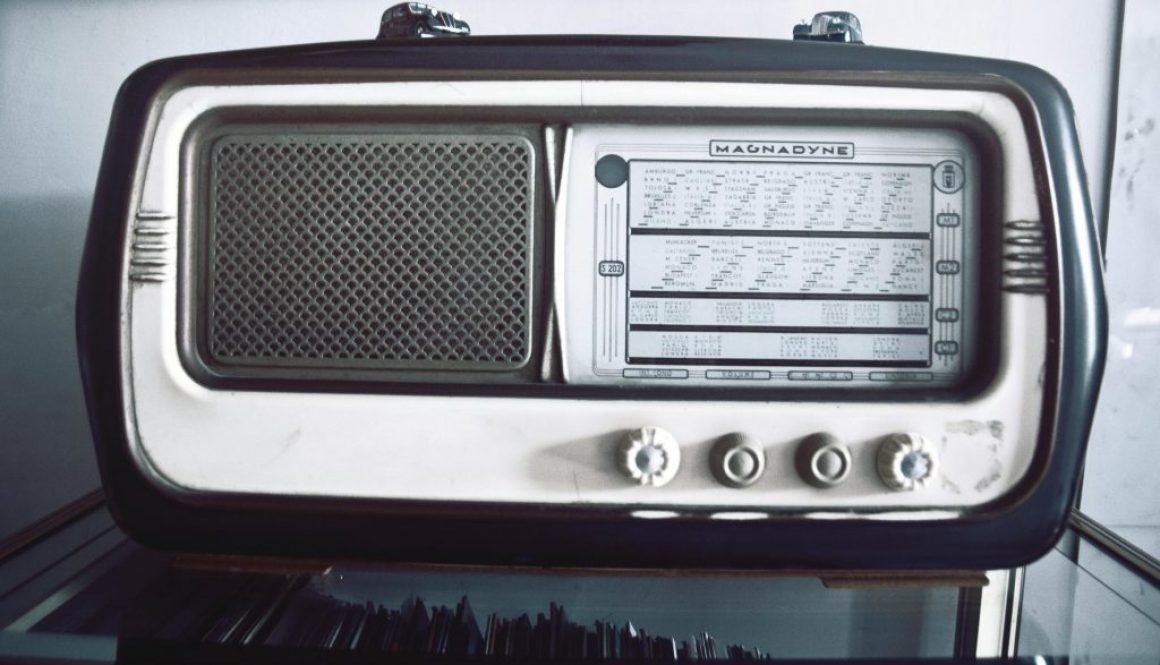
Radio has undoubtedly fallen a bit out of favor with the rise of glitzy, modern streaming services that seemingly make the listening experience much richer and, well, cooler. But you may be surprised to learn that radio listening still accounts for much, much more than all the streaming services combined.
When it comes to building regional popularity and getting your name out there, radio airplay is indispensable. For that reason, it’s still some of the most competitive real estate in the music industry. Everyone wants to get airplay, so how do you beat out the competition?
There’s no one-size-fits-all approach to getting radio airplay, but there are strategies you can employ and steps you can take to shift the odds in your favor. In this article, we dive into these strategies and explain how to harness the power of airplay data to fine-tune your promotion strategy and, ultimately, grow your audience.
What is radio airplay?
Radio airplay means getting songs played on the radio and is often referred to as ‘radio plays’ or simply “spins”. Radio used to be the single most potent promotion channel in the “analog” music industry of the 20th century. Primetime radio rotation could turn an unknown artist into a nationwide sensation in a matter of days.
The times they are a changing, though, and throughout the last decade, radio got pushed to the periphery of the music industry. The new promotion channels — first, social media, then streaming services and playlists, became the topic of conversation amongst the music professionals. However, while the digital space has put new tools in the hands of digitally-minded music marketers, radio has never really lost its relevance.
It is still a great way to boost an artist’s fanbase and popularity. Radio stations remain one of the most listened music mediums on the planet — in the United States, for example, the average weekly audio consumption via radio is about 14 times greater than combined consumption across all audio streaming services. Any worthwhile advertising professional will tell you that the new media, viral challenges, social media, and guerilla marketing is cool and all — but if you really want to reach a broad consumer audience, you have to go TV ads.
The same is true for radio in the music industry. Sure, you can build your fanbase on social media, invest in viral music videos, and try to leverage Spotify playlists to drive your stream count — but no one has ever reached the top-1 Billboard spot without the mainstream radio support.
The 2 types of radio airplay
What most people think of as “radio” is actually just one part of the landscape: commercial radio. But if you’re just starting out and trying to build an audience, it may be prudent to start with non-commercial radio.
1. Commercial Radio
Commercial radio is the most prominent and the most difficult radio to get your music on. These are the traditional FM radio stations, e.g. 101.6 “The Joint!” (or whatever your local variation), alongside the prominent satellite radios of the Sirius XM network, that play music with occasional ads. They account for the vast bulk of radio listening (which, remember, is 14x bigger than all streaming platforms combined), so getting your music played on commercial radio can be a career-maker, especially when you’re first building a regional audience.
2. Non-Commercial Radio
Non-commercial radio is the lesser-known and less prominent type of radio that usually refers to non-profit radio (though it can also include podcasts and radio stations). College radio stations, smaller independent radio stations and web-first online radio — all of those would fall into the category. While airplay on non-commercial radio doesn’t have the prestige (or the audience) of commercial radio, it’s easier to get onto and, therefore, a good starting point when you’re first trying to get airplay. Besides, some of the more influential non-commercial radio stations are often used as hunting grounds by the mainstream radio programmers looking for the next big thing.
How to get radio airplay
Radio airplay doesn’t just happen (at least for most artists): it’s usually the product of months or years of work in developing an audience on other platforms, building up relationships in the industry, and growing your radio promotion network. However, there are also some simple steps you can take to boost your odds of getting on the air. Here are the moves you can make, both big and small.
1. Gain clout elsewhere first
Radio airplay is prestigious and highly competitive, which means that if you want to get your music on the radio, you’ll need a resume that radio stations will notice and take seriously. The first and most important step is to get some traction on Spotify, Apple Music, Pandora, SoundCloud, YouTube and other major digital consumption channels. Get on playlists, drive the streams and build somewhat of an audience — 99% of the time, radio rotation lags behind the streaming consumption. You don’t have to get to the top of Spotify charts, of course, but earning solid clout on streaming platforms before you try to get onto the radio will give you a big leg-up over anyone who lacks that audience.
2. Send in your CD/mixtape (or even a vinyl)
This might sound like an outdated approach, but hear us out! Everyone and their mother used to send their CDs or mixtapes to radio stations in the 90s and early 2000s. Now — not so much. That makes this is a simple and effective way to set you apart from other people trying to get on the same radio stations. It’s old school, but the mere fact that it’s a rarity for people to do these days gives you an in. That is especially true for vinyl, so if you’re planning a vinyl physical release — make sure you set a couple of records aside to send over to the most prominent radio in your area.
3. Focus on non-commercial radio (at first)
The gates of non-commercial radio airplay aren’t as well guarded as its commercial cousin, which makes it a great place to build your resume in the early stages of your career. Also, the larger and more influential independent radio stations can launch a “domino effect” and help you cross over to commercial radio. Radio programmers talk to each other and listen to each other’s shows, so if your music is a hit on non-commercial radio, it may very well make its way onto mainstream airplay.
4. Offer an exclusive
If you have any sort of fan base, then you may be able to use an exclusive single as leverage: offer a radio station one of your songs that’s never been heard before and make sure your fans know as well. They will count on your audience tuning in, which gives them one more reason to put you on air. That being said, exclusives do take some coordination between the radio station and the artist, so while it will take some work, the effect might well be worth it.
5. Send over an EPK (Electronic Press Kit)
First impressions are everything in the music world, and an EPK is your chance to shape the first impression you make on a radio station. Send over a kit with a compressed MP3/WAV of your Single/EP/album with links to your website, social media, biography, etc. A well-made EPK indicates professionalism, and also allows you to sell yourself on your strongest points.
6. Sign with a label
Radio promotion is hugely expensive if you go with a dedicated promotion service: in the US, urban radio promotion campaigns start at $15k Even worse in Africa. Low-cost airplay like non-commercial radio can only take you so far, so if you’re considering radio as a center of your promotion strategy, you need to get a label behind the release who can substantially invest in promotion. Through it all it is also possible to get free airplay on commercial radio station when you do it for yourself through the right channels.
7. Cultivate your “organic” airplay
Not all airplay is a result of your radio promo campaign — some of it will happen organically. If you see your music get its first “organic” plays on the radio, it probably means that the radio programmers are testing to see how it sits with the audience. This is the best time to get in touch with them — but you have to be on top of radio airplay data to take advantage of that moment.
8. Think globally
Your native market is no doubt important — but remember that in the 21st-century music doesn’t really give a damn about borders. There’s no reason to restrict yourself to the limited audience in your home region when music can so easily go across the world. Be aware of your opportunities outside of your local market, and even outside the US & Europe. You could already have an audience (and airplay) in places you’d never imagined.
Track radio airplay once you’re live
Getting your first radio airplay may seem like a huge victory (and it is), but, just like your first sale, it’s just the beginning of the journey. Are you satisfied with airplay on one station, or do you want to grow? Because the only way to know if you are growing your audience, or even if you hit the Radio Charts, is to have the data on hand. With radio airplay data, you can:
- Assess the results of your radio promotion campaign and validate that the other side of the deal (radio programmers) is following through on the radio partnerships.
- Find out which of your songs are getting played the most
- Identify the radio stations that contribute the most to your radio exposure: which are playing you the most and which have the biggest audience
- See which stations aren’t playing you as much as they used to and which ones test out your catalog (so that you can contact them to build and maintain your promotion network)
- Get an insight into your presence on the air across the world and see where your biggest audiences are to inform your promotion strategy and your tour routing
GGP Radio Airply tracks radio data in real-time from 1,975 stations from 78 countries and turns this data into actionable charts & reports that let you identify every potential market and opportunity. Test out new promotion strategies and check the data to see what works (and what doesn’t).